

💬 2 reviews⭐ 5
Explore 841 local plant nurseries across 172 cities.


Specialty Carnivorous Plant Nursery. Top products: Venus flytraps, Butterworts, Carnivorous terrarium kits. Petflytrap.com is a specialized horticultural nursery based in the United States that focuses exclusively on the cultivation and retail of carnivorous plant species. The company maintains an inventory of live, in-stock plants, which are shipped in pots to minimize transplant shock and promote healthy acclimation for the customer. Their offerings include a wide variety of Venus flytraps, butterworts, and pre-designed terrarium setups tailored for hobbyists and plant enthusiasts. Beyond direct retail, the organization emphasizes the importance of cultivation education and actively supports conservation initiatives dedicated to protecting carnivorous plant habitats. Operating as an online-only enterprise, Petflytrap.com caters to homeowners and botanical hobbyists by providing specialized growing information to ensure the long-term success of these unique species.


Ornamental Topiary and Floristry. Top products: Patented topiary designs, Floral arrangements, Wedding and event floral decor, Seasonal plants. River Oaks Plant House is a Houston-based horticultural and floral business specializing in high-end ornamental topiary design and professional floristry. With decades of operational history, the business serves a diverse clientele ranging from residential homeowners to large-scale commercial entities, including notable international clients such as Disney theme parks and the White House. Their core competency lies in the creation and cultivation of specialized topiaries used for both interior aesthetics and exterior landscaping, alongside custom-designed floral arrangements for weddings, corporate events, and personal gifts. The business operates out of two primary locations in Houston, providing retail sales of plants and flowers, as well as design services for seasonal installations and event environments. Their approach combines horticultural expertise with event-focused floral design, prioritizing a customer-centric service model that includes custom arrangement consultations and expert guidance on plant care.

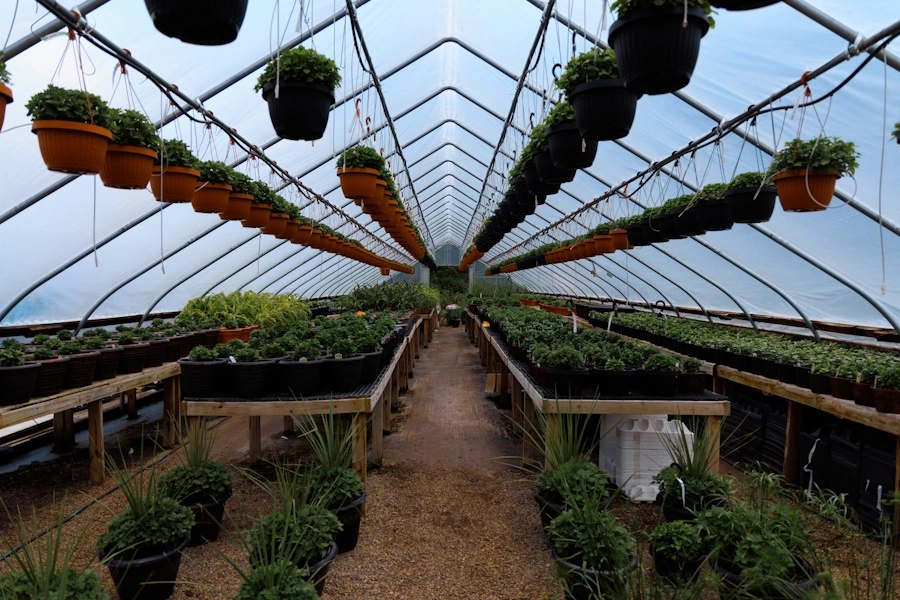
Retail and wholesale greenhouse nursery. Top products: Ornamental plants, Bedding plants, Greenhouse stock, Garden supplies. Rolke Garden Center and Rolke Greenhouses operate as a dual-purpose horticultural business serving both the retail and wholesale markets. The business specializes in the production and distribution of a variety of plant materials, maintaining its own greenhouse facilities to manage inventory life cycles. By operating as both a garden center and a wholesale supplier, Rolke caters to a diverse clientele, ranging from residential homeowners seeking seasonal color and ornamental varieties to professional landscapers and commercial entities requiring larger quantities of plant stock. Their core operations revolve around professional greenhouse cultivation, providing a reliable source of healthy, nursery-grown plants. While the company also features a gift shop component, their primary business identity is rooted in the propagation and sale of horticultural goods, supporting both retail gardening enthusiasts and local landscape improvement projects with high-quality, regionally appropriate greenery.

Native plant habitat nursery. Top products: Native trees, Butterfly host plants, Prairie grasses, Shrubs and hedges, Pollinator nectar plants. Rusty Dog Gardens is a specialized nursery based in Houston, Texas, focused on providing high-quality native plants for residential landscaping and wildlife habitat restoration. Founded to address the difficulty of sourcing reliable native species, the nursery has evolved from a small project into a key provider of ecological gardening solutions. Their inventory encompasses a diverse range of flora suited to the Houston climate, including prairie grasses, butterfly host plants, trees, shrubs, and pollinator-friendly nectar sources. Beyond plant sales, the business provides educational resources, such as sizing guides and maintenance advice for extreme weather events like freezes, to empower homeowners in successful native plant cultivation. While currently in a strategic hiatus to transition into a permanent, sustainable nursery operation, Rusty Dog Gardens maintains its commitment to supporting biodiversity through expert plant selection and habitat-focused landscape design.

Wholesale Palm Tree Nursery. Top products: Texas grown palms, Container grown trees, Field grown palms. Southern Nurseries, Inc. is a family-owned and operated horticultural business based in Donna, Texas, spanning three generations of nursery experience. The company specializes in the cultivation and sale of high-quality Texas-grown palm trees. Their operation is vertically integrated, starting from the germination of seeds in their own greenhouses, followed by rigorous cultivation in their dedicated palm fields to ensure consistency and climate hardiness. As a production-focused nursery, they offer both container-grown and field-grown inventory. Their primary business model focuses on providing wholesale pricing and bulk supply to professional landscapers across the state of Texas, while also serving local homeowners looking for specimen plants to beautify their properties. By maintaining control over the entire production cycle from seed to mature tree, Southern Nurseries emphasizes reliability, quality control, and regional suitability for the Texas climate.


Cold hardy desert plant nursery. Top products: Cold hardy agaves, Hardy cacti, Hardy yuccas. Taylor Specialty Farms is a family-owned wholesale plant nursery situated on 10 acres near McKinney, Texas. They specialize in the cultivation of rare, cold-hardy agaves, cacti, and yuccas specifically adapted to the North Texas climate. The farm functions primarily as a supplier for retail nurseries and professional landscapers within the DFW metroplex, offering well-established, statement-sized specimens that are three to five years old. By focusing on locally grown, drought-tolerant varieties, the business eliminates the logistical issues and potential plant damage associated with long-distance shipping. Their operations emphasize regional expertise, providing plants that can withstand local seasonal extremes. They offer flexible ordering with no minimums, allowing for local farm pickup or direct delivery services. The nursery maintains test gardens to evaluate plant performance, ensuring that their inventory is landscape-ready and suited for sustainable, low-water dryscaping projects.

 T
TWholesale Tropical Plant Nursery. Top products: tropical foliage plants, ornamental trees and shrubs, blooming greenhouse material, rare tropical specimens. Triad Plants is a prominent wholesale horticultural supplier and nursery operator based in Homestead, Florida. With over 40 years of industry experience, the company serves as a vital bridge between high-quality Florida growers and professional buyers across the United States. While they function as a distributor for a network of vetted, premier nurseries, they also maintain their own production nursery in Homestead, where they cultivate and hold a significant volume of inventory. Their core offerings encompass a wide array of premium tropical foliage, rare plants, and ornamental trees and shrubs. The company operates a sophisticated logistics and consolidation program, utilizing its expertise to provide efficient, cost-effective shipping for large-scale wholesale customers, including independent garden centers, regional retail chains, and interiorscapers. Their mission focuses on strict quality control through multi-point inspections and logistical support, allowing clients to access diverse, high-demand plant varieties from exclusive growers who typically do not accept new clients.


The Texas horticultural industry supports a massive network of 785 verified nurseries. This density reflects the state's extreme geographical diversity, which ranges from high-rainfall East Texas to the arid, high-desert plains of the West. Retailers in this sector range from boutique garden centers focused on xeriscaping to large-scale wholesale operations supplying the state’s massive landscaping market. The supply chain is highly segmented; high-traffic urban areas support high-turnover garden centers, while rural outposts maintain larger acreage for field-grown woody ornamentals. Market trends currently favor native, drought-resistant species as residents shift away from water-intensive turf grass and toward more sustainable regional aesthetics.
Nursery density correlates strongly with urban population centers and the suburban sprawl characteristic of Texas development. Houston leads the state with 70 verified nursery operations. This concentration stems from the massive demand generated by constant new residential development and the unique challenges of the Gulf Coast climate, where high humidity and intense rainfall cycles require specialized plant inventory. Dallas follows with 36 locations, San Antonio with 33, and Austin with 27. These cities function as logistics hubs, moving plant material from local propagation facilities to retail outlets. Other notable hubs include Tyler, which leverages its historical horticultural heritage, and Fort Worth, where the demand for desert-adapted trees and shrubs is particularly acute due to local soil conditions. Conroe, Beaumont, Lubbock, and Laredo round out the primary geographic clusters, reflecting the state's strategic dispersal of agricultural resources.
Horticultural success in Texas is dictated by a complex interaction of USDA hardiness zones—ranging from 6a in the Panhandle to 9b in the Lower Rio Grande Valley—and extreme soil heterogeneity. Nurseries must stock inventory that withstands the 'Texas Cycle': prolonged summer heat, periodic deep freezes, and intense, localized drought. Soil types present further challenges; nurseries in Central Texas often deal with heavy, alkaline limestone clays, whereas East Texas nurseries typically manage highly acidic, sandy loam. Consequently, successful garden centers rely heavily on localized stock rather than national wholesale inventories. Many local operations maintain on-site greenhouses to propagate climate-adapted cultivars that survive these harsh variables better than imported stock. Field-grown trees, in particular, are favored by Texas professionals because the root systems develop higher resilience during the transition from nursery soil to the native ground.
Finding the right plant material requires navigating the specialized landscape of Texas suppliers. Consider these strategies for sourcing:
A: Native plants are evolutionarily adapted to the specific soil types and rainfall patterns of Texas regions. They require less supplemental water, minimal fertilization, and possess superior resistance to local pests. By sourcing from a local garden center that stocks native species, you ensure the plants have been raised in conditions mimicking their natural habitat, resulting in higher survival rates during extreme Texas heat waves or sudden winter cold fronts.
A: In most of Texas, the ideal planting window is the fall, specifically from late September through November. Planting during this time allows roots to establish in the cooling soil before the high-stress, triple-digit temperatures of the following summer arrive. While spring planting is common, young plants often struggle to develop adequate root systems before the heat hits, necessitating much higher water consumption and increased mortality rates compared to those planted in the autumn.
A: Texas features diverse soil types, from the heavy, expansive clays of the Dallas-Fort Worth metroplex to the acidic, sandy loams of East Texas. A quality local garden center will carry soil amendments, fertilizers, and plant species specifically matched to these local conditions. Avoid big-box retailers that carry standardized, one-size-fits-all products, and instead seek out nurseries that provide site-specific advice on managing the alkalinity or drainage issues prevalent in your local geography.
A: Field-grown trees are often superior for the Texas landscape because their root systems grow in native soil conditions and develop a more robust structure. When transplanted, these trees experience less shock than container-grown specimens. Many top-rated Texas nurseries prefer field-grown stock for long-term climate resilience. Always verify the root-ball health with your local nursery to ensure the tree has been properly harvested and has a sufficient root-to-canopy ratio for survival.
A: Look for nurseries that focus on plant health, display expertise through detailed signage, and employ horticulturists who understand the nuances of the local climate. High-quality centers often demonstrate longevity, carry a significant percentage of locally grown inventory, and provide resources for pest management that are specific to the state's unique insect populations. Reading community reviews for top-rated spots like The Tree Place or Buchanan's Native Plants can provide insight into the quality of customer guidance provided.