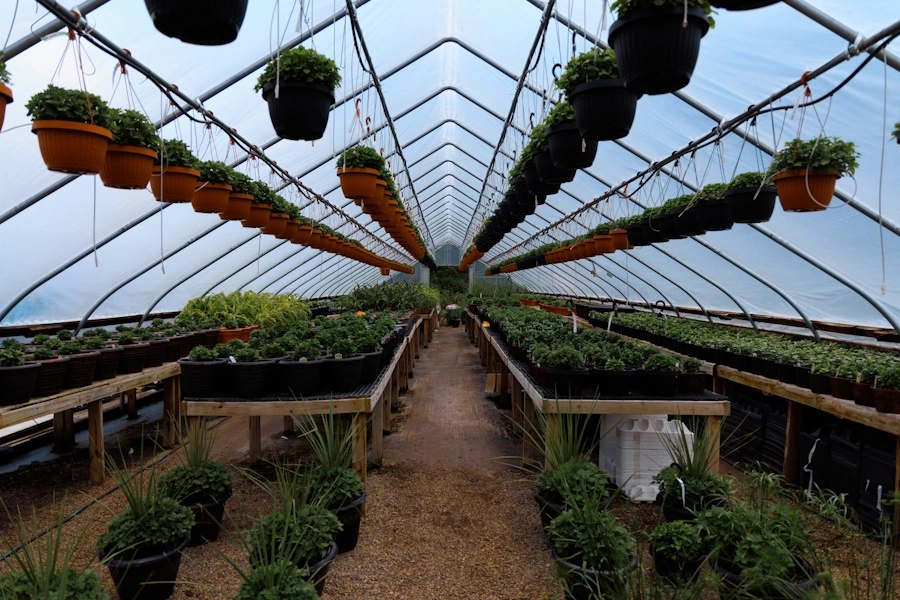
Local Nursery Scene in Milwaukee
Milwaukee gardeners have access to a diverse array of 11 distinct plant suppliers, ranging from niche heirloom pepper specialists to large-scale, full-service landscape facilities. The local market is heavily influenced by the region's climate, which sits primarily in USDA hardiness zones 5a and 5b. Successfully gardening here requires understanding the short, intense growing season and the necessity of choosing varieties that can withstand cold winters and fluctuating spring moisture levels. Local nurseries often offer a strategic advantage over big-box stores by stocking plant material already acclimated to Wisconsin environmental stresses.
Comparison of Top Nurseries
| Nursery Name | Rating | Specialization | Type |
|---|
| Holland Bulb Farms | 3.4 | Flower Bulbs & Perennials | Maps Search |
| Minor's Garden Center, Inc. | 4.4 | Trees, Shrubs, & Bulk Landscape | Maps Search |
| Kellner Greenhouse | 4.8 | Annuals & Houseplants | Maps Search |
| Tulip World | 3.4 | Bulbs & Perennial Roots | Maps Search |
| Easy To Grow Bulbs | 4.3 | Specialty Bulbs & Perennials | Maps Search |
| Fred's Garden Center | 4.6 | General Plant Nursery | Maps Search |
| County Line Market | 4.4 | Landscaping Supplies & Annuals | Maps Search |
| Webers Greenhouse | 4.9 | Potted Plants & Social Enterprise | Maps Search |
| Tasty Pepper | 5.0 | Rare Peppers & Microgreens | Maps Search |
| Custom Grown Greenhouses | 5.0 | Hanging Baskets & Containers | Maps Search |
Deep Dive into Nurseries
Holland Bulb Farms serves as a critical resource for residential gardeners looking for ornamental bulbs and edible plant starts. Their inventory spans seasonal planting cycles, helping users select crops that match specific hardiness zones.
Minor’s Garden Center, Inc. operates across 155 acres, functioning as a massive regional resource for tree, shrub, and bulk landscaping material. Their 73-year history makes them a go-to for both commercial contractors and serious home landscapers.
Kellner Greenhouse in Riverwest focuses on annuals and indoor plants. They differentiate their facility by acting as a community event space, merging aesthetic appeal with traditional retail services.
Tulip World focuses on bulb collections and perennial roots. They provide technical accessories like bulb planters and specialized fertilizers to ensure successful landscape establishment.
Easy To Grow Bulbs offers a 100% grow guarantee for their catalog of tubers, corms, and perennial roots. They cater to gardeners who need specific variety selection for their home landscapes.
Fred's Garden Center operates as a general plant nursery. This type of facility typically offers a broad selection of seasonal inventory ranging from annual color to common woody ornamentals.
County Line Market, situated in Mequon, combines high-end annuals with essential hardscape products like topsoil and mulch. Their delivery services provide critical support for large-scale garden installations.
Webers Greenhouse integrates vocational training into its retail operations through the Teens Grow Greens program. Their mission-driven approach ensures that purchasing high-quality potted plants directly supports local youth development.
Tasty Pepper occupies a unique niche, specializing in rare pepper cultivars and heirloom seeds. They offer extensive grow guides to help customers succeed with heat-loving crops in containers or raised beds.
Custom Grown Greenhouses in St. Francis specializes in seasonal container arrangements. Their focus on high-quality hanging baskets and unique watering can planters makes them a destination for aesthetic garden design.
Buying Guide for WI Gardeners
- Prioritize Local Acclimation: Select plants grown in Wisconsin conditions. Local nurseries raise stock that is better prepared for our specific soil pH and temperature swings compared to nursery stock imported from warmer climates.
- Understand Hardiness Zones: Always check your specific zone (5a/5b). Even a small variation in elevation or proximity to Lake Michigan can change which perennials survive the winter.
- Check Soil Quality: Before installing, test your soil. If you are buying from a garden center that stocks bulk soil and compost, like County Line Market or Minor’s, ask about the composition to ensure it fits your native clay or silt profile.
- Timing is Everything: In Wisconsin, wait until the danger of frost has passed before planting warm-season annuals or vegetables. Most local nurseries post updated planting calendars to guide you.
- Inspect for Health: Examine foliage for signs of pests or disease before purchasing. Healthy, well-watered plants in local greenhouses are less likely to bring unwanted pathogens into your home garden.