
💬 2 reviews⭐ 4.5
maps_search
Mazzei Nursery
📍7001, North Warren Avenue, Fresno, California, 93711, US
No website listed
Explore 1543 local plant nurseries across 305 cities.


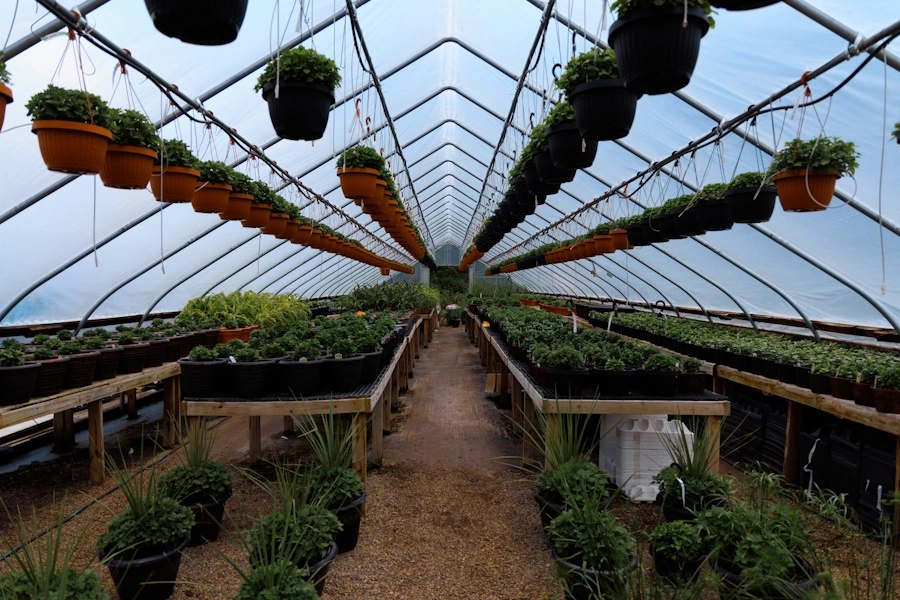
Wholesale ornamental plant grower. Top products: Ornamental plants, Shrubs, Seasonal plants. Mountain View Nursery is a professional horticultural operation based in San Marcos, California, specializing in the wholesale production of ornamental plants. The nursery serves as a primary supplier for a diverse range of secondary markets, including retail garden centers, grocery store chains, home improvement retailers, florists, and interior scaping firms. By focusing on a B2B model, the business maintains a distribution network that ensures their plant inventory reaches a wide consumer base through established retail partners. Their operations are centered on the cultivation and supply of plant materials suitable for both interior and exterior environments, catering to the specific needs of commercial landscaping and floral design sectors. With a history of membership in industry organizations like the Produce Management Association, Mountain View Nursery maintains standardized horticultural practices to meet the volume and quality requirements of their wholesale clients.

 N
N


 P
P
Mature Specimen Tree Nursery. Top products: Mature Olive Trees, Specimen Date Palm Trees, Citrus Trees, Fig Trees, Pomegranate Trees. Pacific West Tree is a specialized nursery and wholesale supplier based in Visalia, California, focused on the cultivation and distribution of mature, field-grown specimen trees. Since its establishment in 1997, the company has operated as a provider for architects, luxury landscape contractors, developers, and homeowners. Their primary inventory centers on old-growth olive trees—ranging from 12 to 100 years old—and a diverse variety of specimen palms, including Canary Date and Mediterranean Fan varieties. Beyond their signature specimen trees, the nursery maintains a selection of fruit-bearing trees such as citrus, figs, and pomegranates. The business employs professional rigging and transport techniques to move mature trees safely, ensuring the health of the specimens during delivery. Operating out of the Central Valley, the nursery serves clients across California and offers logistics for projects in other states, catering to high-end residential estates and commercial developments.
 PP
PP

Organic Herb and Plant Nursery. Top products: heirloom vegetable starters, culinary and medicinal herbs, California native milkweeds, specialty cut flowers, organic seasonal produce. Founded in 2009, Rolling Hills Herbs is a USDA-certified organic urban farm and nursery based in California. The business specializes in the production of regionally acclimated heirloom vegetable starters, culinary and medicinal herbs, and California native milkweeds. Beyond their plant nursery operations, they manage a significant cut flower program featuring diverse perennials, shrubs, vines, and trees. Their horticultural output is sold to the public through appointments and local retail partnerships, as well as through seasonal Flower CSAs and an urban produce stand. The farm maintains a wide variety of heirloom fruit trees, including peaches, plums, kumquats, and apricots, alongside berry vines and seasonal heirloom produce. Operating with a focus on sustainability and strengthening the local food system, Rolling Hills Herbs functions as both a commercial grower of botanical plant stock and a local supplier of fresh, organic produce.
California represents the largest horticultural market in the United States, driven by a massive consumer base and diverse ecological requirements. With 1477 verified nurseries across the state, the supply chain is robust, catering to everything from backyard enthusiasts to commercial landscape developers. Market saturation varies significantly, but high-density urban zones act as the engine for retail traffic. Established players like Armstrong Garden Centers, Green Acres Nursery & Supply, and Walter Andersen Nursery maintain high customer satisfaction, often reflecting decades of operational expertise in navigating California’s unique retail landscape.
The concentration of facilities is not uniform. Los Angeles leads the state with 111 nurseries, a direct result of its massive population density and the year-round growing season that encourages frequent garden center visits. Southern California dominates the sector, specifically in areas with mild coastal climates. Vista (43 nurseries) and Fallbrook (42 nurseries) function as essential production and distribution hubs, likely benefiting from favorable microclimates and proximity to the wholesale market. Inland hubs like Riverside (35 nurseries) and San Diego (31 nurseries) cater to both residential growth and suburban expansion. San Jose (21 nurseries) and Santa Rosa (20 nurseries) represent the Northern California market, where garden centers face different environmental constraints compared to their Southern counterparts. This distribution highlights a market that prioritizes immediate, local access to plant materials.
California spans USDA hardiness zones 5 through 11. This extreme variation dictates what nurseries stock and sell. Coastal nurseries frequently stock mediterranean-climate plants, focusing on drought-tolerant species like lavender, rosemary, and native succulents. Inland, the high temperatures and lower rainfall patterns necessitate a shift toward xeriscaping. Nurseries in these zones prioritize native California plants such as Ceanothus, Manzanita, and various Salvia species, which are adapted to the state's dry summer cycle and winter precipitation patterns.
Soil conditions in the state range from heavy clay in the Central Valley to sandy, decomposed granite in mountainous or arid regions. Consequently, successful garden centers act as consultants, guiding consumers toward soil amendments and native selections that reduce water reliance. The shift toward native-focused horticulture is a state-wide trend driven by water scarcity regulations. Professional nurseries often differentiate themselves by offering high-quality, local, field-grown stock that has been hardened off for the specific local climate, rather than greenhouse-grown imports that struggle in the harsh California sun.
To maximize success with your garden project, follow these strategies when evaluating local nursery and garden center options:
A: Planting in the fall allows roots to establish during the cool, wet winter months before the intense summer heat arrives. This timing is critical for native California species, which are adapted to the state’s Mediterranean cycle. By the time temperatures climb, the root systems are deeper and better able to survive the dry summer season, reducing the need for intensive irrigation during the critical first year.
A: Not necessarily. While many native California plants are inherently drought-tolerant, not all drought-tolerant plants are native. Drought-tolerant plants come from various arid climates globally, whereas native plants have evolved specifically to thrive in California’s soil and rainfall patterns. Local garden centers often categorize these together for convenience, but choosing true natives provides better support for local pollinator species and ecosystem health.
A: California’s zones range from 5 to 11, reflecting the immense diversity from high-altitude mountains to coastal plains. A plant that thrives in the cool, fog-kissed environment of San Jose may fail in the high-heat, arid climate of Riverside. Nurseries curate their stock based on the local zone, ensuring that the plants sold are capable of surviving the specific minimum winter temperatures and maximum summer heat ranges of the region.
A: Local nurseries offer plant varieties specifically selected for the microclimate of your city. Unlike big-box retailers that ship mass-produced stock from out-of-state, local nurseries often feature field-grown inventory or stock hardened off in the regional climate. This results in higher survival rates, lower stress on the plant during transplanting, and the opportunity to receive advice from staff who understand the specific pest and soil challenges of your local area.
A: California soils can be heavy clay or highly alkaline, which inhibits root growth. Before purchasing, perform a soil drainage test. Many gardeners benefit from incorporating organic compost to improve soil structure. If you are planting natives, avoid heavy fertilization, as many native California species actually prefer nutrient-poor soils. Consult your local garden center to see if they offer soil testing services or specific amendments tailored to the regional soil profile in your area.